
Why Good Intentions Aren’t Enough (and What Actually Works)
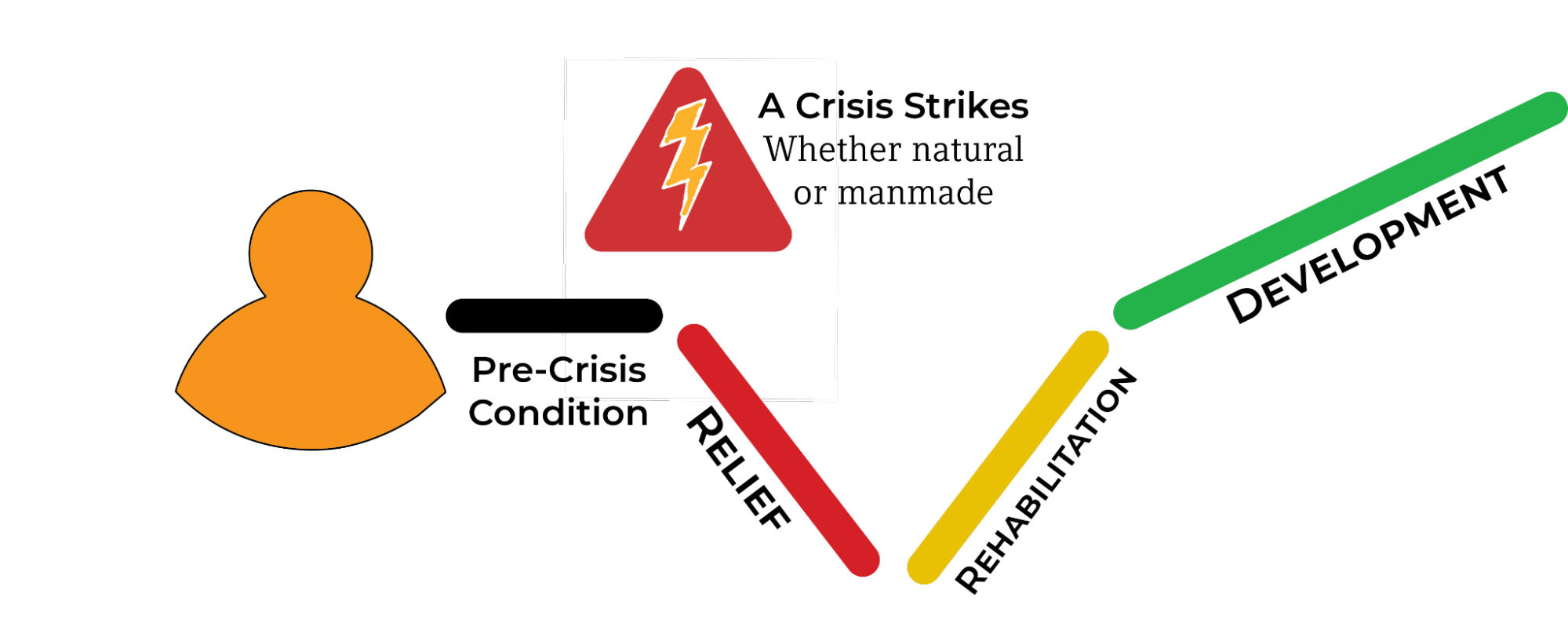
You have a good heart. You want to help those less fortunate. So where should you give? Hand cash to the man with a cardboard sign? Pack boxes at a food bank? Give monthly to an anti-trafficking ministry? The options are endless. Yet not all charitable interventions have the intended outcome. As Corbett and Fikkert warn in their excellent book, When Helping Hurts, we can actually cause harm if we aren't wise in how we give. We must learn to provide the right kind of help to the right person at the right time. To help us, the authors divide charitable work into three categories: relief, rehabilitation, and development.
Stage 1: Relief — When someone is in crisis, they need immediate, direct help, with no strings attached. That crisis could be instantaneous, like a house fire, or prolonged, like growing up without a stable home. The crisis could be caused by personal bad choices, such as drug use. Or by harm from others, such as domestic violence. Or by external events, such as a flood or fire. Whatever the cause, the first type of charity needed is simple, short-term “relief.” Think Red Cross distributing food after a hurricane or an anti-trafficking ministry rescuing someone from exploitation. The person is in a dependent condition and needs an immediate handout. This help should be direct and swift, but not long-term. Prolonged relief becomes paternalism: the giver becomes the parent, the recipient becomes the child. It creates dependency that prevents growth.
Stage 2: Rehabilitation — As soon as practically possible, the goal shifts from survival to restoration. In the “rehabilitation” stage, our intervention focuses on restoring the victim to a place of independence and self-sufficiency. This could involve helping the person find a job, secure stable housing, or, in OnRamp’s case, get a reliable vehicle so they can hold down a job. This intervention is designed to help the person get back on their feet so they can sustain themselves and their own family. The goal here is a hand up, not a hand out. This work breeds long-term independence.
Stage 3: Development — The ultimate goal isn't just restoring someone to where they were before. It's helping them build a stronger foundation so they will be less vulnerable to crisis in the future. This is the “development” stage, and it goes beyond just restoring a victim to where they were before the crisis. It helps them build a stronger foundation so they can better weather future crisis and, even better, help their neighbors weather future crisis. This is where the victim becomes the giver. They take our place. We step out of the picture, having helped this person become a leader in her or her community so that all are benefited. This could involve helping a formerly poor wage-earner build a business that now employs others from the neighborhood so that unemployment decreases (looking at you Reach Project, you’re the best at this!)
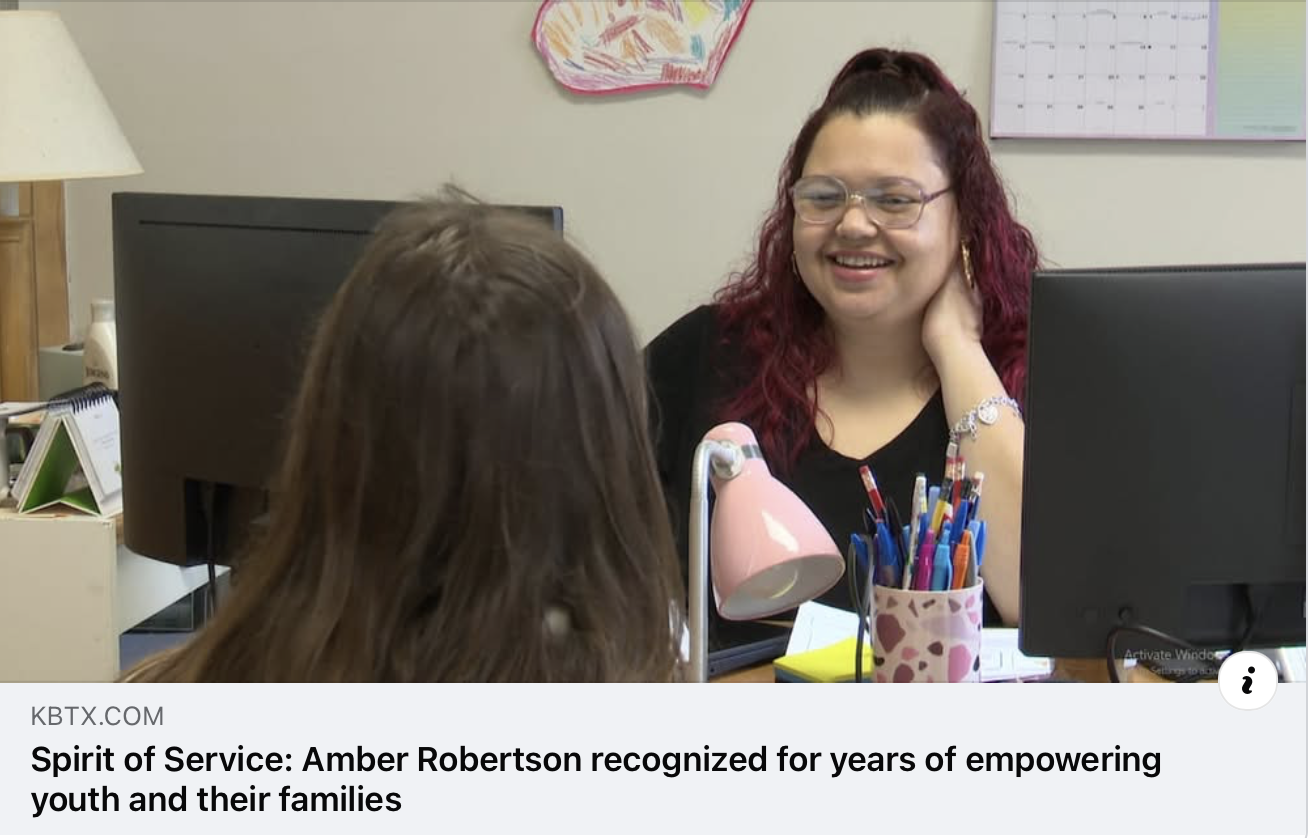
Here’s an example of helping someone in the “development” stage. Amber Robertson, a local widow and mother founded Brazos Valley Blessings years ago to help local families in need. When her own vehicle broke down, she needed our help. In that moment, she was in crisis. We gifted her a vehicle, but it wasn’t just for the sake of “rehabilitation.” We knew that Amber was the type of person who would use that gifted vehicle to do even more charitable work in her community. She uses that SUV to help others in crisis. In other words, the receiver has become the giver! We’re so proud of her! Last week, our local news station awarded her the Spirit of Service Award because of her selfless leadership:
All three forms of help are essential, just not at the same moment for the same person. The key is knowing which one you're best equipped to provide, then doing that one thing really well.
That's the philosophy behind everything we do at OnRamp. We're not just gifting vehicles, we're meeting people at the right moment in their journey with exactly what they need. Want to be part of that?